
Earth Science for Kids: Easy Experiments, Real Science, and Brilliant Women Who Changed the World
From the ocean floor nobody has ever fully mapped, to the ground quietly shifting beneath your feet right now, our planet is full of secrets scientists are still piecing together.
Earth science is one of the easiest ways to help a child fall in love with science, because it starts with the world she can already see. The clouds. The rocks. The sea. The weather. The ground beneath her feet.
Before you dive into the experiments and the women who made Earth science history, here are five facts to get you started.
Five Earth science facts that make you stop and think
We know less about our ocean floor than Mars
Less than 20% of Earth’s oceans have been mapped in detail. In some ways, we know more about the surface of Mars than the bottom of our own sea.
A 12-year-old girl helped uncover a sea monster
Mary Anning was just 12 when she helped uncover an ichthyosaur skull — and for years, other people tried to take the credit.
Nobody has ever reached Earth’s inner core
The deepest hole humans have ever drilled is about 12 km. Earth’s inner core is roughly 6,370 km below us. We have barely scratched the surface.
A raindrop can disappear for thousands of years
Some water returns to the ocean quickly. Some can stay locked in ice, underground, or in long river systems for thousands of years.
The ground beneath you is moving right now
Tectonic plates move about as fast as your fingernails grow. Given enough time, that is enough to build mountain ranges like the Himalayas.
What you’ll find on this page
- Earth science experiments for kids you can do at home
- Female scientists for kids whose discoveries changed science
- Simple explanations that make big ideas easier to understand
- A clear next step if she wants more Earth science after the experiments
Earth science experiments for kids
Hands-on science is where so many children suddenly get it. Instead of memorising a fact, they see it happen. They test it. They talk about it. They remember it.
These Earth science experiments are designed to be simple enough to do at home, but still full of real science. Each one helps your child connect a big Earth science idea to something she can actually observe for herself.
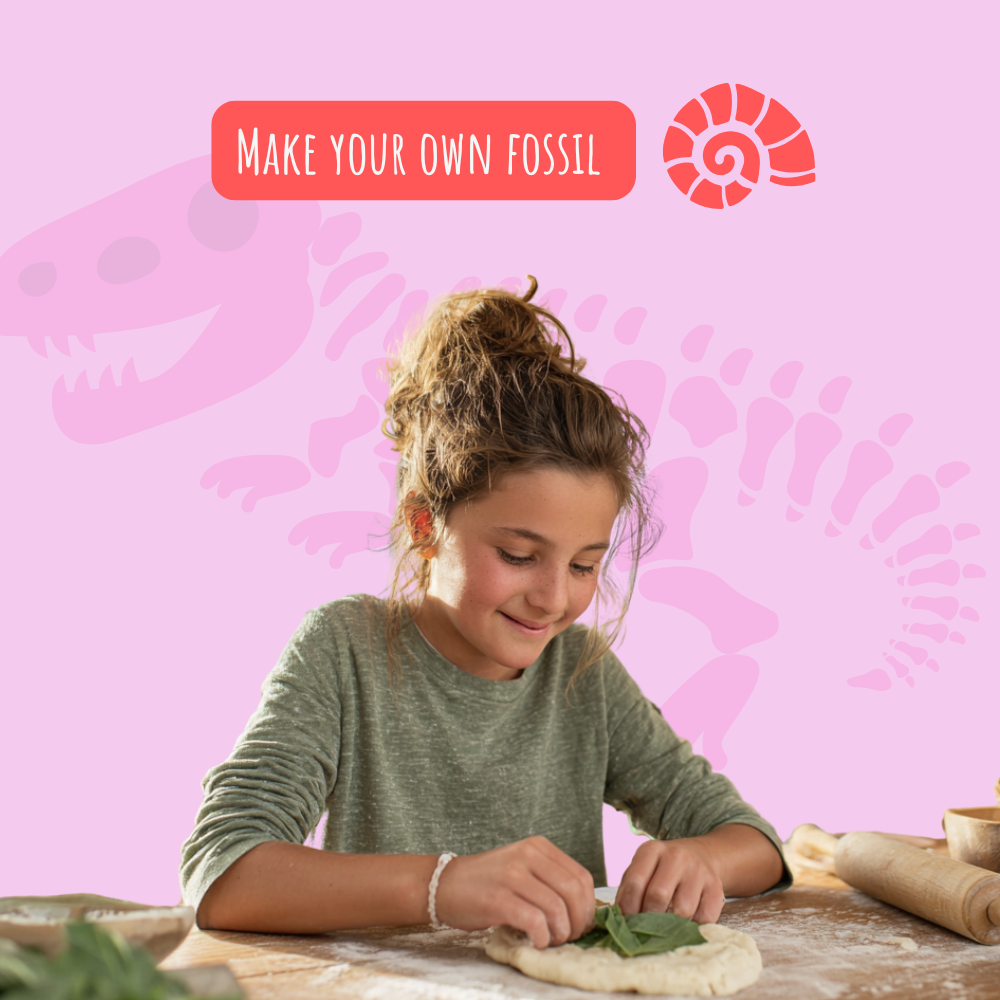
Make Your Own Fossil
Create a simple fossil at home and explore how clues from ancient life can be preserved in rock.
Try it →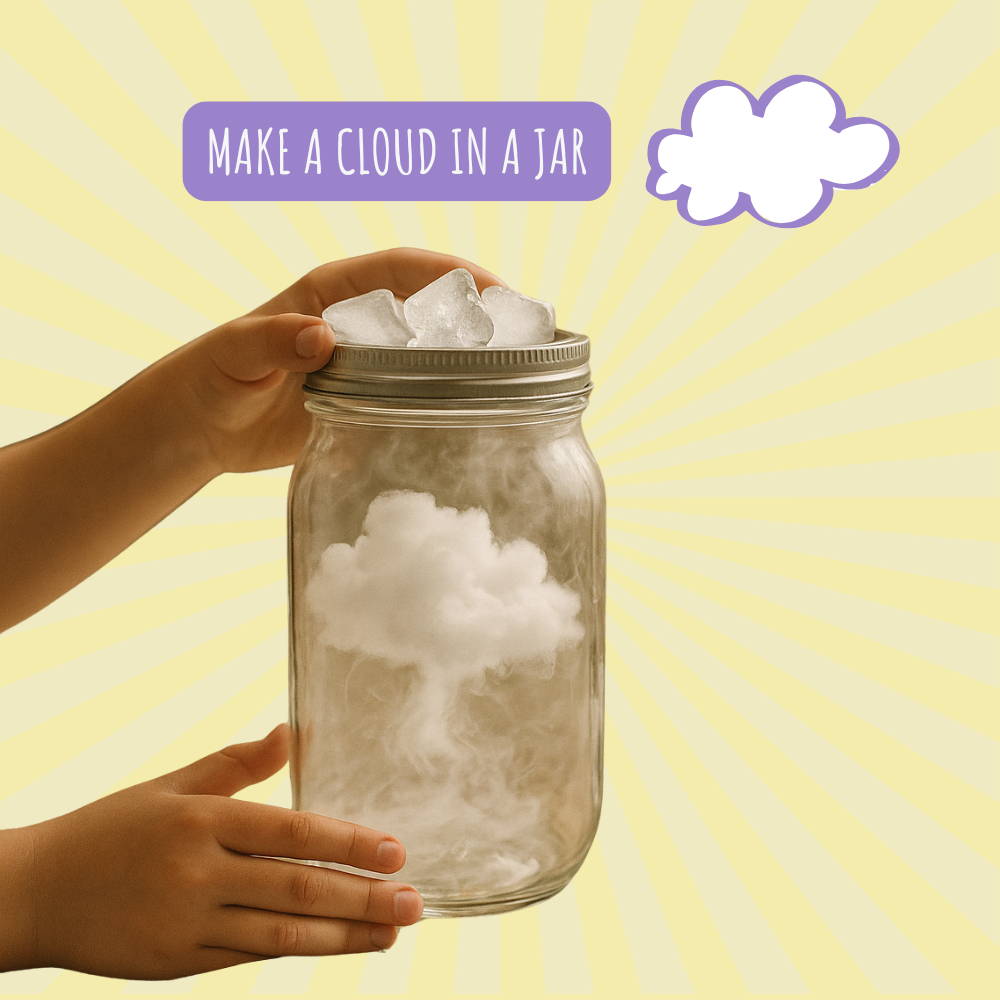
Make a Cloud in a Jar
Build a tiny weather lab and see how clouds form with your own eyes.
Read the post →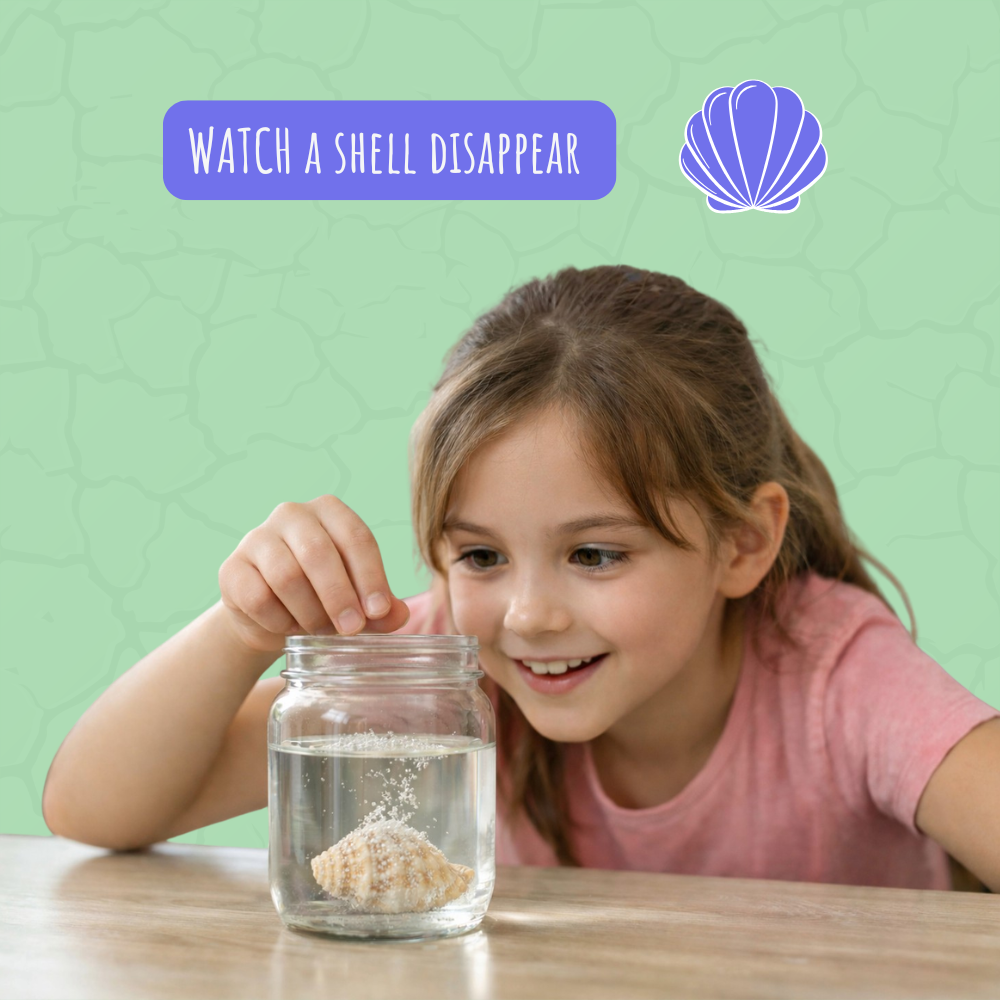
Make a Shell Disappear
See how changing ocean chemistry can affect shells in this simple, eye-opening experiment.
Try it →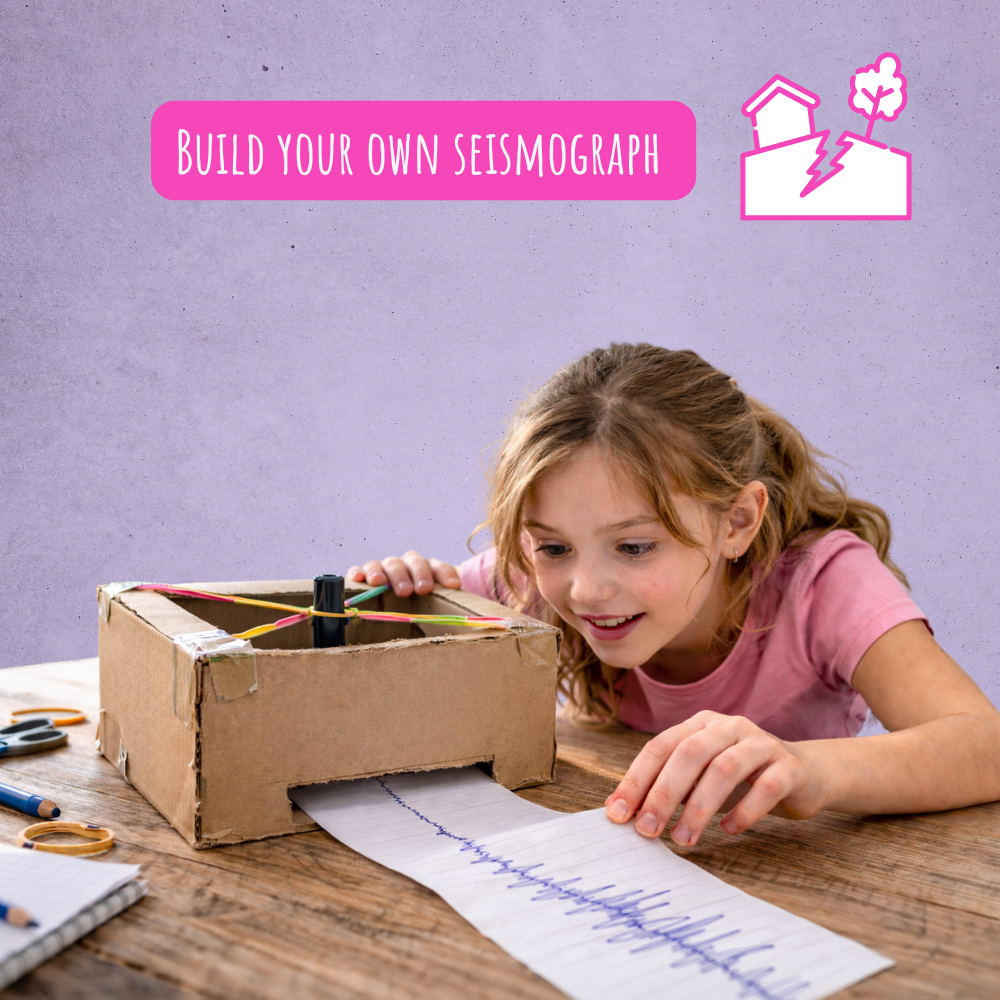
Build Your Own Seismograph
Record vibrations like a real scientist and discover how earthquakes are measured.
Let’s go →Women in Earth science your daughter should know
One of the best ways to help a girl feel that science belongs to her is to show her women who have already changed it. Not as a token extra. Not as a sidebar. As part of the real story of science.
These women didn’t just “inspire others.” They made discoveries that changed how we understand the Earth.
Mary Anning
The fossil hunter who changed how science understood prehistoric life.
Read her story →Sylvia Earle
The ocean scientist who helped the world see why protecting the sea matters.
Read her story →Inge Lehmann
The scientist who worked out that Earth has a solid inner core — without ever leaving her desk.
Read her story →Why Earth science matters for kids
Earth science helps children connect what they learn to the real world around them. It explains the rocks they pick up, the clouds they watch, the sea they paddle in, and the earthquakes and volcanoes they hear about in the news.
It also helps them understand something bigger: our planet changes, and the choices people make affect it.
That makes Earth science one of the most practical, powerful, and relevant subjects a child can learn.
Ready to go deeper?
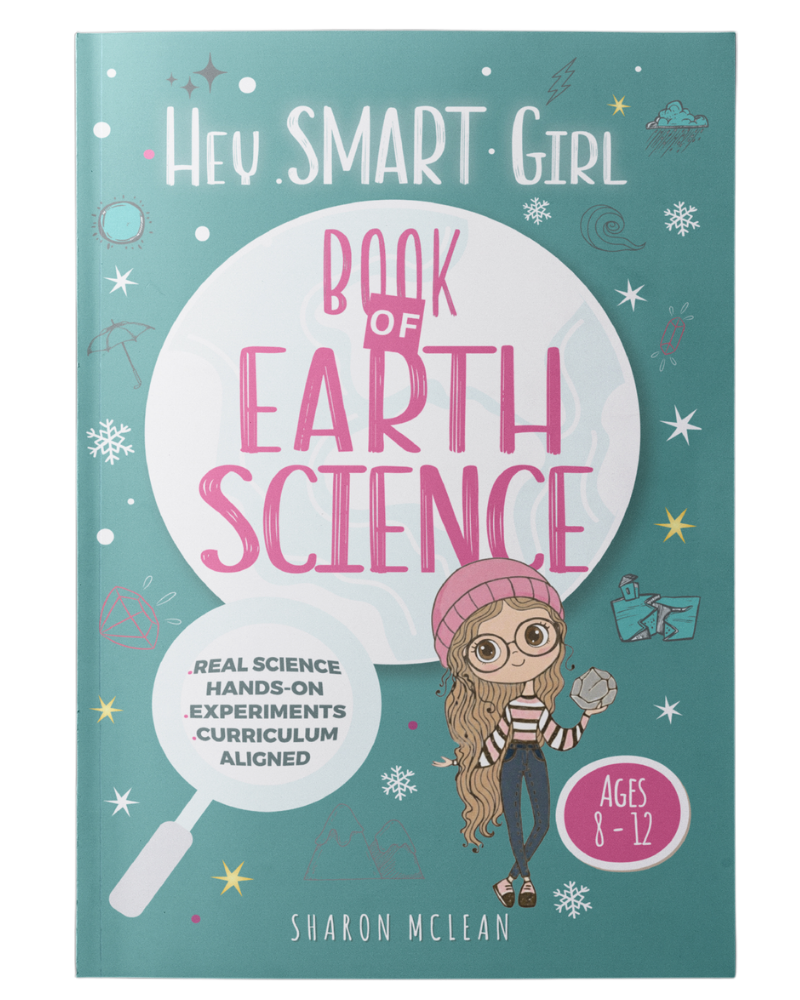
The Hey Smart Girl Book of Earth Science brings together fossils, oceans, weather, earthquakes, climate, hands-on experiments, and the women who changed how we understand our planet.
Explore the Earth Science BookEarth science for kids: quick answers
What is Earth science for kids?
Earth science for kids is the study of our planet — including rocks, fossils, weather, oceans, earthquakes, and how Earth changes over time.
What are some easy Earth science experiments for kids?
Some of the best easy Earth science experiments for kids include making a fossil, building a cloud in a jar, testing ocean acidification with shells, and making a simple seismograph.
Why should kids learn about women in science?
Learning about women in science helps children see that science is for everyone. It gives girls strong role models and shows them that real scientific discovery has always included women.