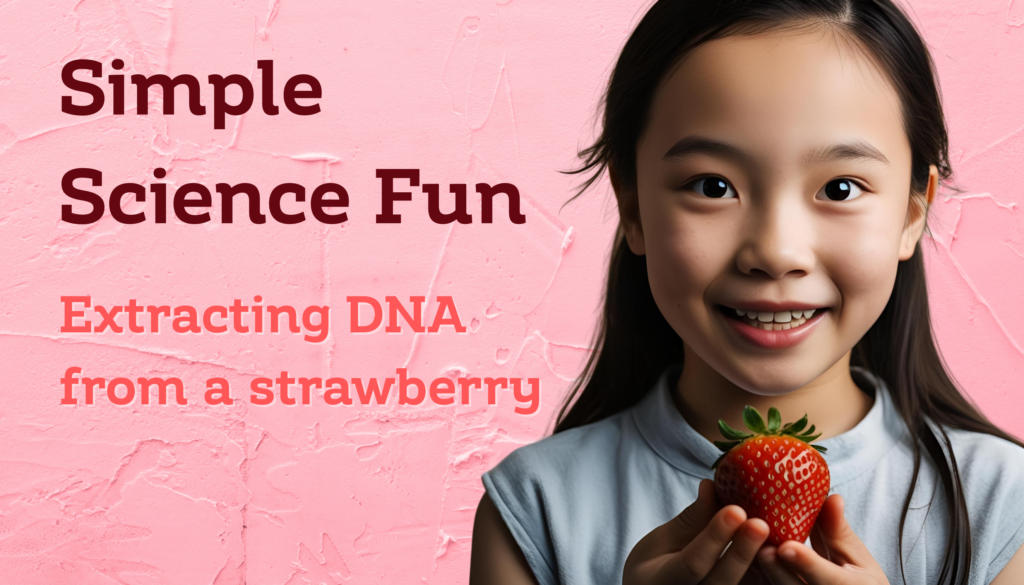
Ever wonder what makes you you? From your eye color to your height—even your preference for salty or sweet snacks—it’s all written in your DNA. And believe it or not, you can actually see DNA using nothing more than a strawberry and a few everyday kitchen items.
This simple at-home experiment is perfect for older kids who are curious about science (or need a rainy-day project that feels more like magic than schoolwork). It’s hands-on, a little messy, and totally fascinating—just how science should be.
What Is DNA?
DNA is found in the center of every cell in your body. Think of it as a biological instruction manual that tells your cells what to do and how to grow.
It’s made up of four molecules—called nucleotides—which we label A, T, C, and G. Just like letters form words, these DNA “letters” join in different combinations to create gene sequences.
Today, we’re going to do something amazing: extract real DNA from strawberries using a few simple tools.
What You’ll Need
- 2 ripe strawberries
- 1 ziplock bag
- 2 teaspoons dishwashing liquid
- 1 teaspoon salt
- ½ cup water
- 2 clear cups or glasses
- 1 coffee filter or gauze
- ½ cup chilled rubbing alcohol
- 1 stirring stick
Step-by-Step Instructions
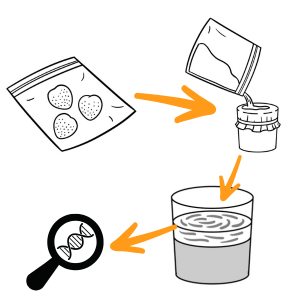
1. Prep the strawberries: Remove the green tops and place the strawberries into the ziplock bag.
2. Mash them up: Seal the bag and squash the strawberries to break open the cells.
3. Make the extraction liquid: Mix the water, salt, and dishwashing liquid in a cup.
4. Add the liquid: Pour it into the bag and gently mash again (try not to make bubbles).
5. Strain the mixture: Place your filter over a cup and slowly pour the contents through.
6. Add alcohol: Slowly pour an equal amount of cold rubbing alcohol down the inside wall of the cup. Do not stir.
7. Observe: After ~30 seconds, a white cloudy layer appears — that’s the DNA.
8. Lift the DNA:Use your stirring stick to lift out a clump of DNA. You’ll see a stringy, gooey substance—that’s it!
What’s Happening Here?
Strawberries have lots of DNA, which makes them perfect for this experiment. The dish soap breaks down cell membranes, the salt clumps the DNA together, and the alcohol helps make it visible by separating it from the liquid. That stringy white substance you see? That’s real DNA.
More Hands-On Science Experiments to Try Next
Simple, real science experiments that turn everyday materials into big discoveries.
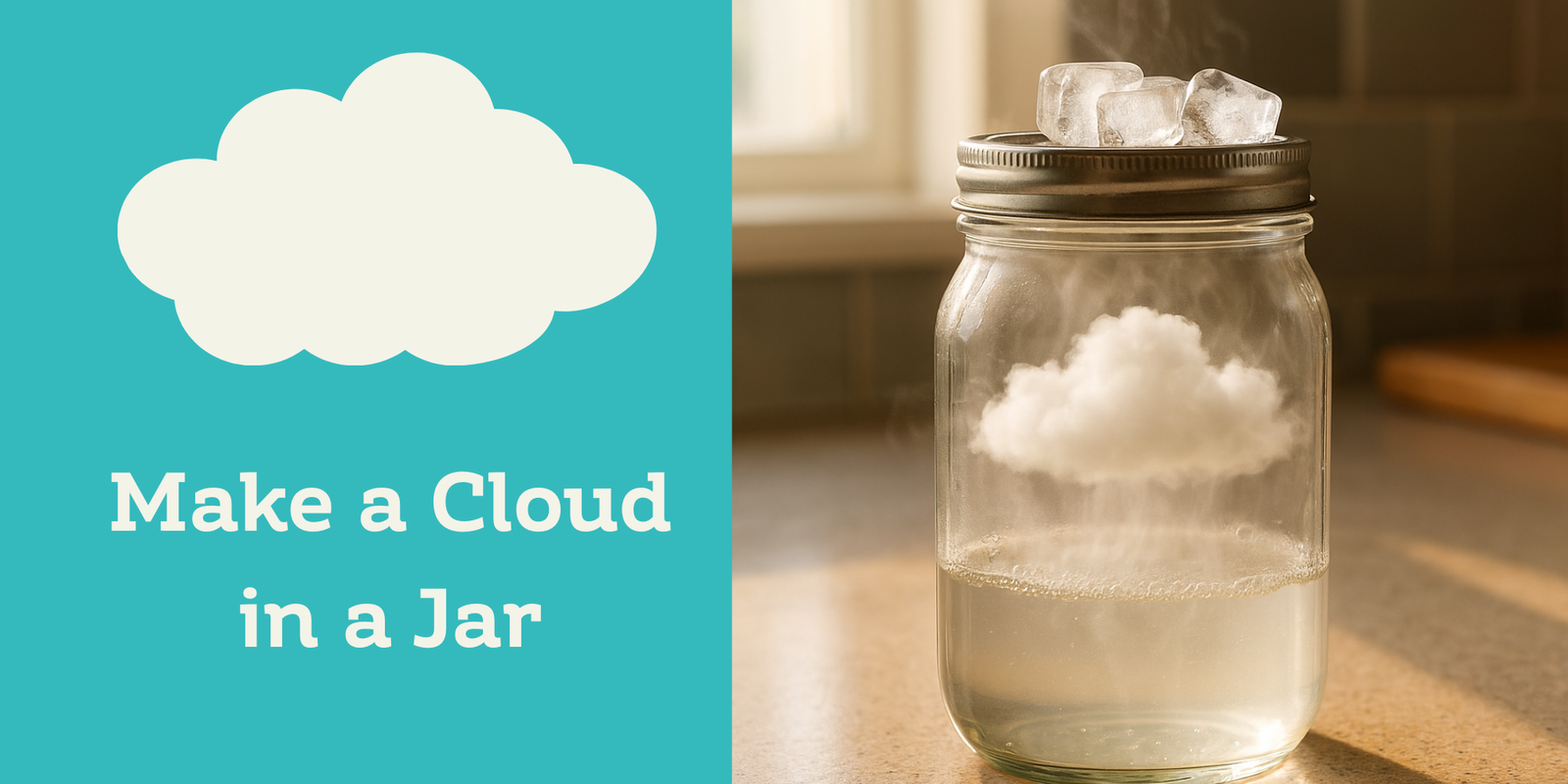

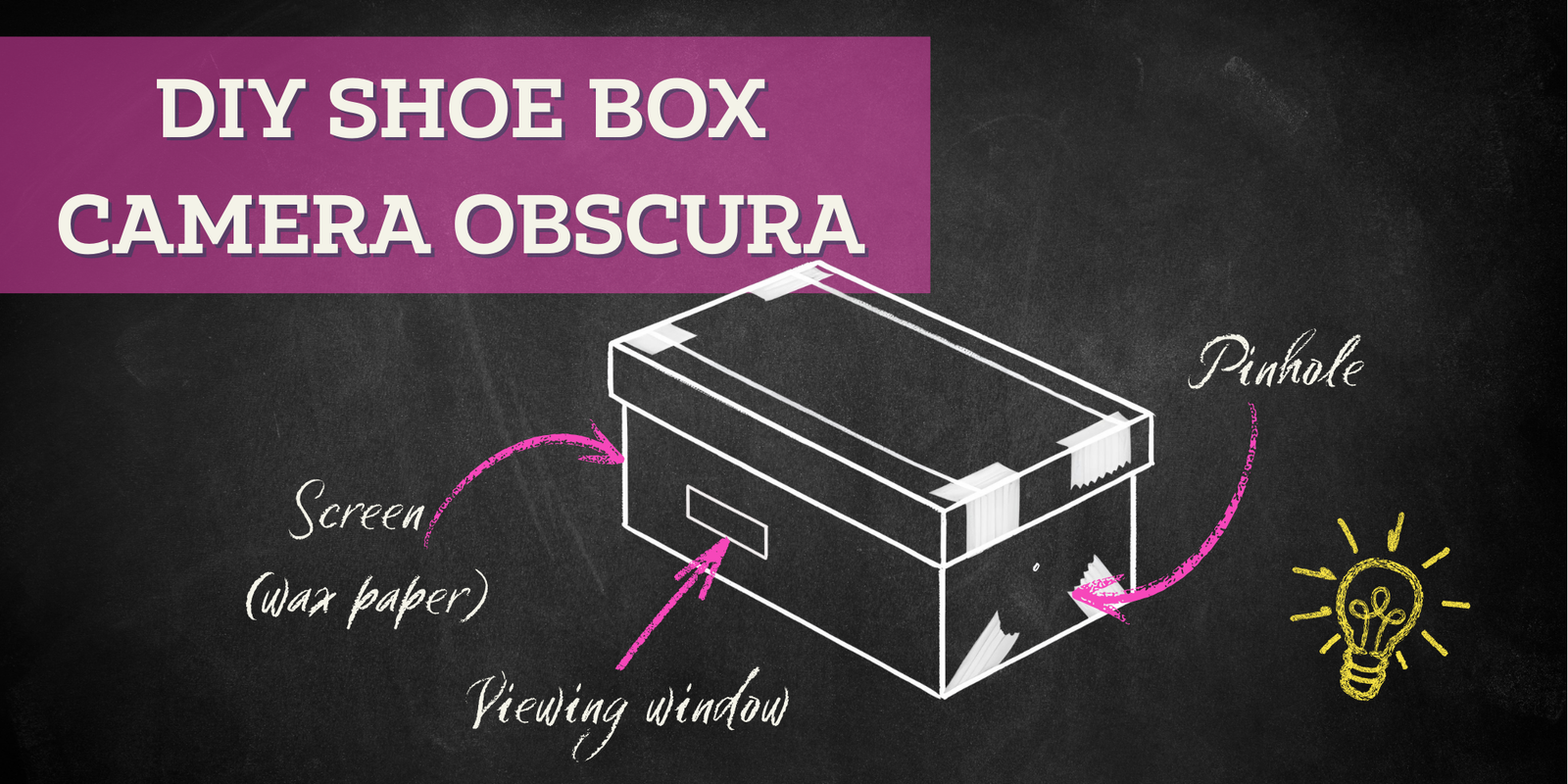
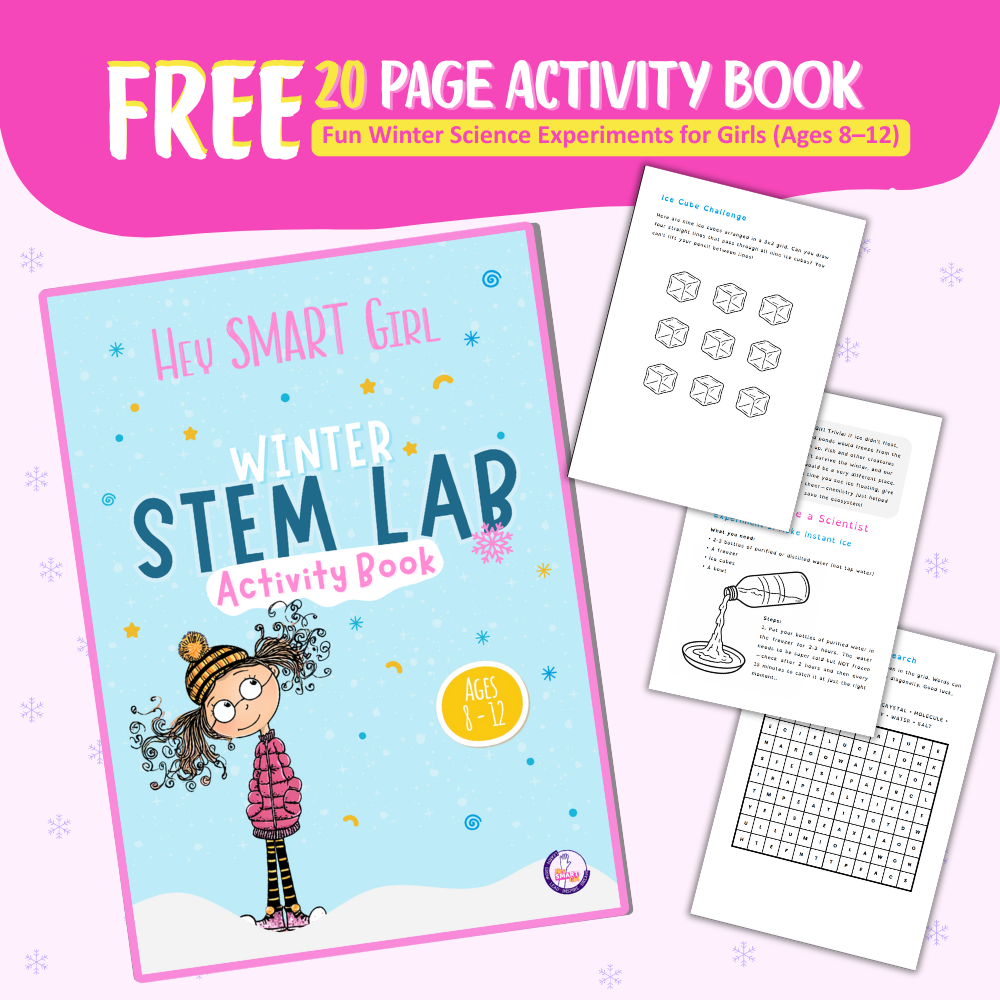
Free Winter STEM Activities for Curious Girls (Ages 8–12)
Hands-on science experiments, puzzles, and ice science fun — all using household items.
👉 Download the Free Winter STEM Lab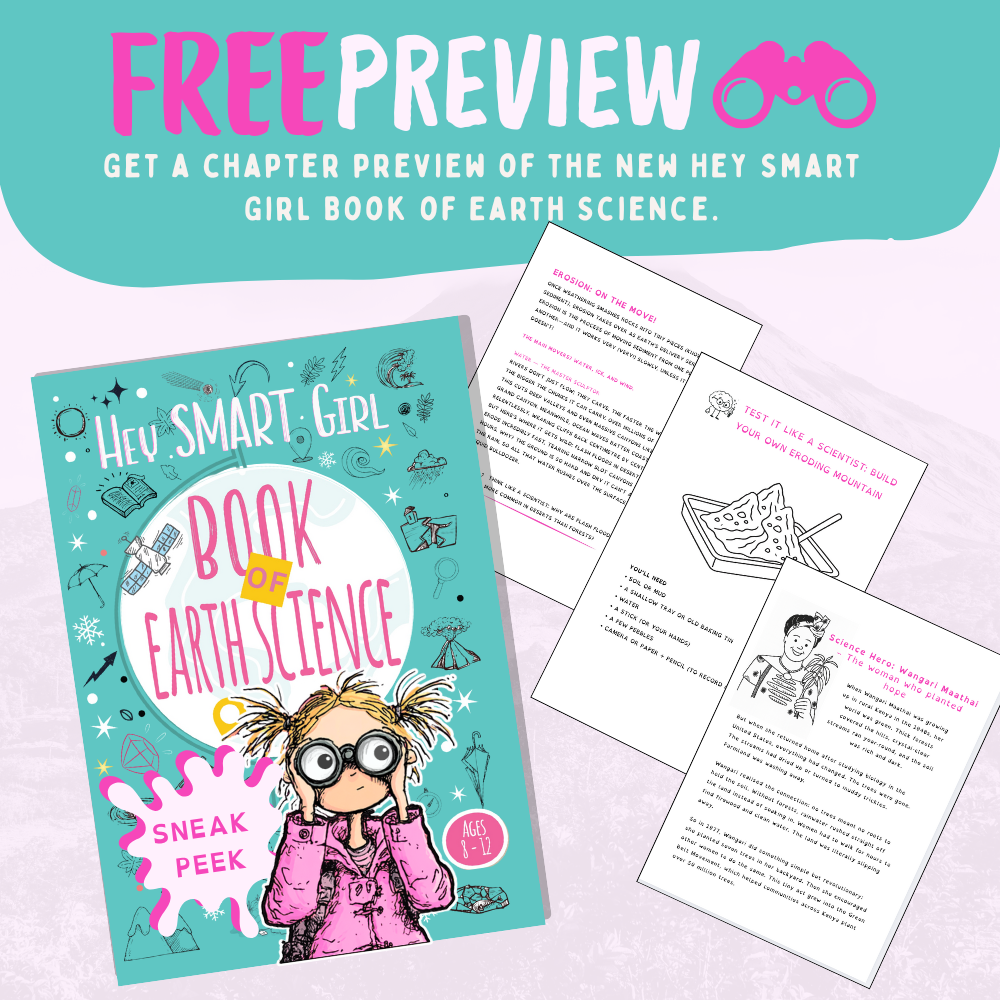
Free Earth Science Chapter Preview (Ages 8–12)
Explore erosion, Earth systems, and real-world science with a chapter from the upcoming Hey Smart Girl Book of Earth Science.
👉 Get the Free Earth Science Preview