Imagine being twelve years old, scrambling along the base of a crumbling cliff on a cold English morning, and pulling a five-metre sea monster out of the rock.
That’s not a story from a novel. That’s what Mary Anning actually did — and it changed science forever.
If your daughter is anywhere between 8 and 12, she is exactly the age Mary was when she made one of the most significant fossil discoveries in history.
This is the story worth telling her.
Want the printable story card?
The story
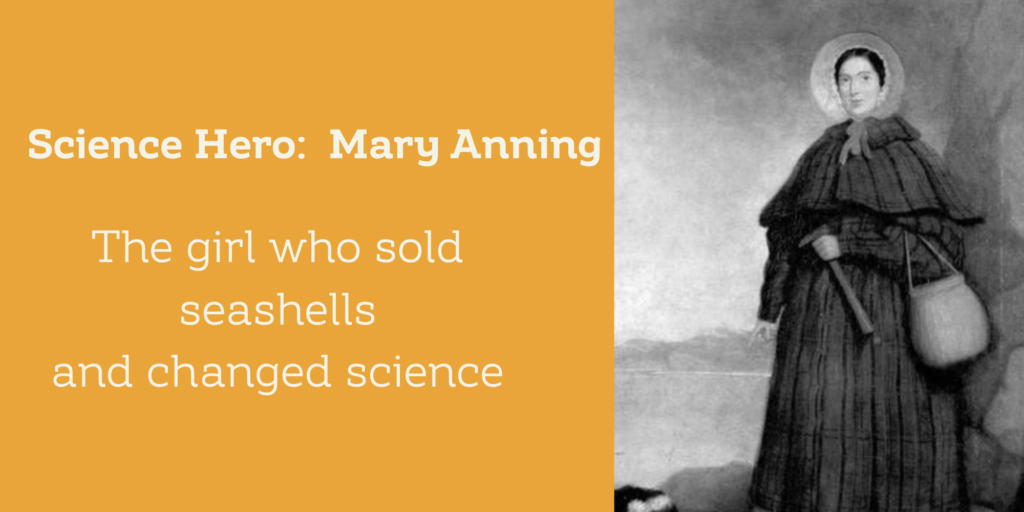
Mary Anning was born in 1799 in Lyme Regis, a small seaside town on the south coast of England. The cliffs there — now known as the Jurassic Coast — are full of fossils.
Mary’s father collected and sold fossils to make ends meet, and from a young age, Mary went with him. When he died, leaving the family in poverty, Mary kept going — not just to earn money, but because she was fascinated by what she was finding.
In 1811, when she was twelve, she and her brother discovered the skull of a huge creature embedded in the cliff. Mary spent months carefully excavating the rest.
What emerged was a five-metre-long ichthyosaur — a prehistoric sea reptile that lived 200 million years ago.
She was twelve.
She went on to discover the first complete plesiosaur and the first pterosaur found outside Germany. Each discovery changed what scientists thought they knew about prehistoric life.
She taught herself geology, anatomy, and scientific illustration — without access to university education. Scientists came from across Europe to learn from her, though they often failed to credit her work.
She kept digging anyway.
The science — what did she actually discover?
Mary’s discoveries helped answer one of science’s biggest questions at the time: had species ever gone extinct?
Before her work, many people believed extinction wasn’t possible.
But the fossils Mary uncovered told a different story — of creatures that no longer existed anywhere on Earth.
Her work helped build the foundation for our understanding of prehistoric life and eventually supported the development of evolutionary theory.
Her fossils became some of the strongest evidence that life on Earth has changed over millions of years.
Want to make this idea real?
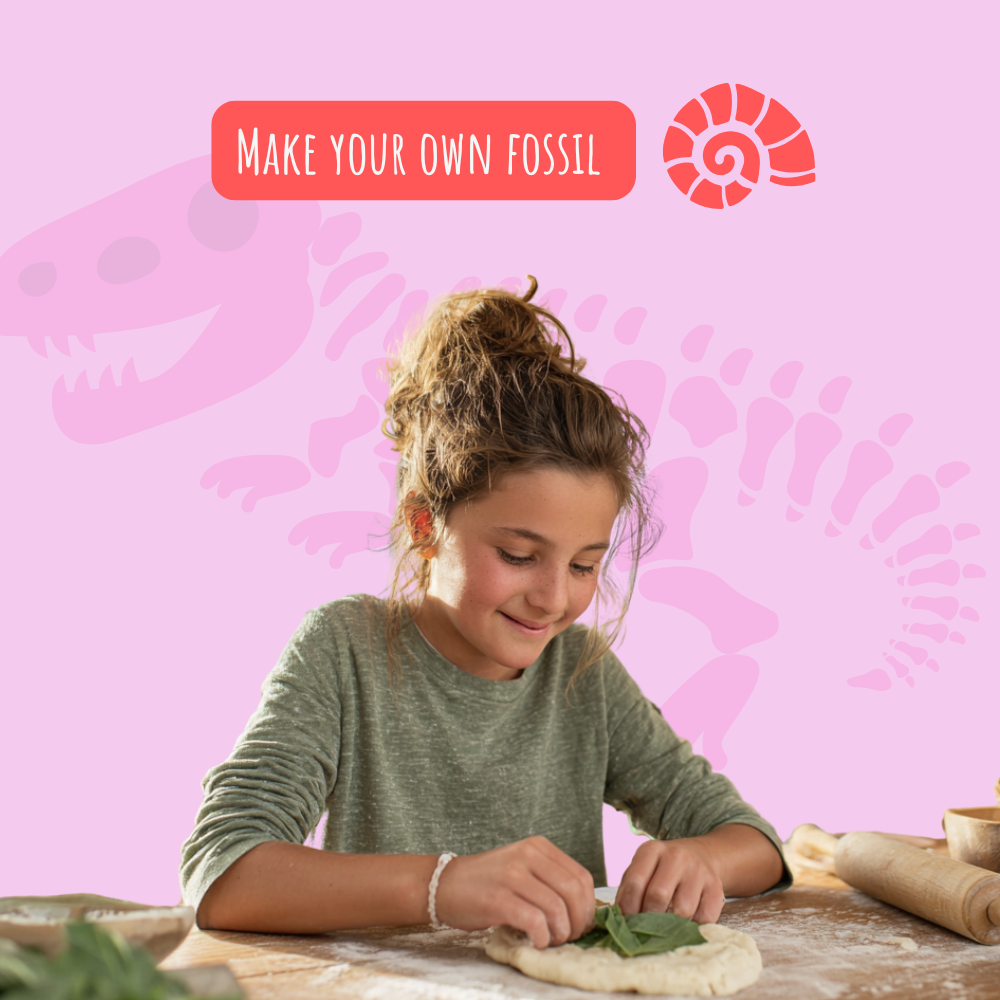
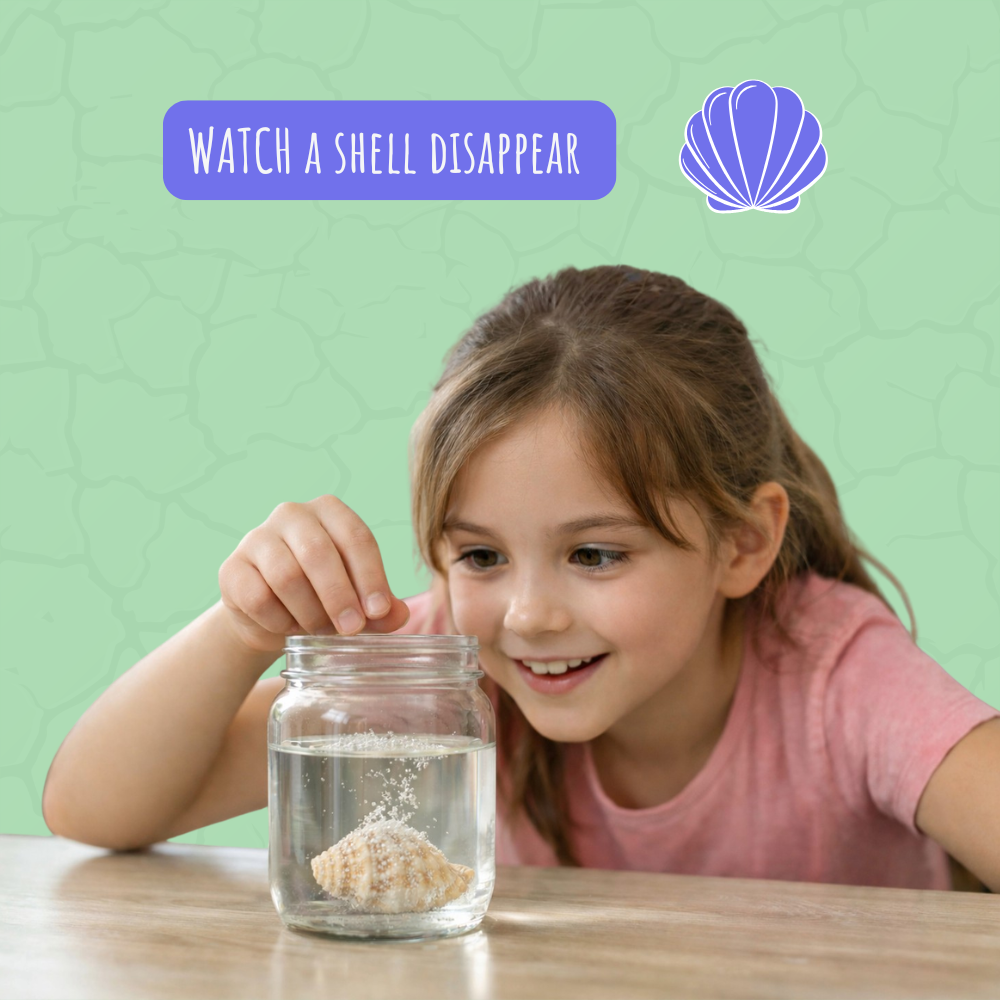
Want to see how fossils form? Try this simple hands-on experiment at home.
It helps kids understand how fossils are created — just like the ones Mary discovered.

Why it matters today
Mary Anning’s work changed how we understand life on Earth.
Her discoveries helped scientists realise that species can disappear — and that life changes over time.
Her story also reminds us that science doesn’t belong to one type of person.
Curiosity, persistence, and careful observation matter far more than background or status.
What your daughter can take from this story
- She started young. Mary made her biggest discovery at twelve.
- She taught herself. She learned by observing, reading, and asking questions.
- She kept going. Even when she wasn’t recognised.
- Curiosity is enough. That’s where science begins.
Let her read it herself
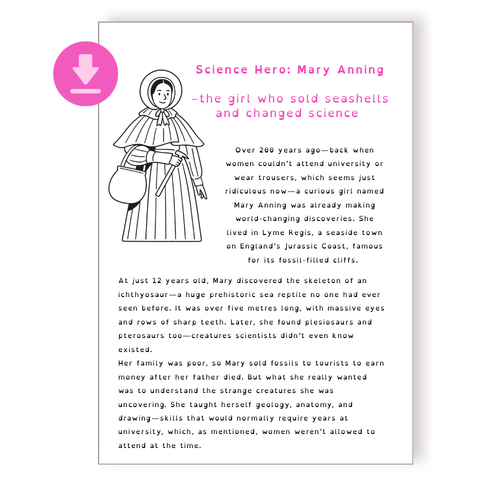
Download the printable version of Mary’s story — written just for girls.
More hands-on science for curious girls
Pick one and do it this week — your future scientist will thank you.

Loved this topic?
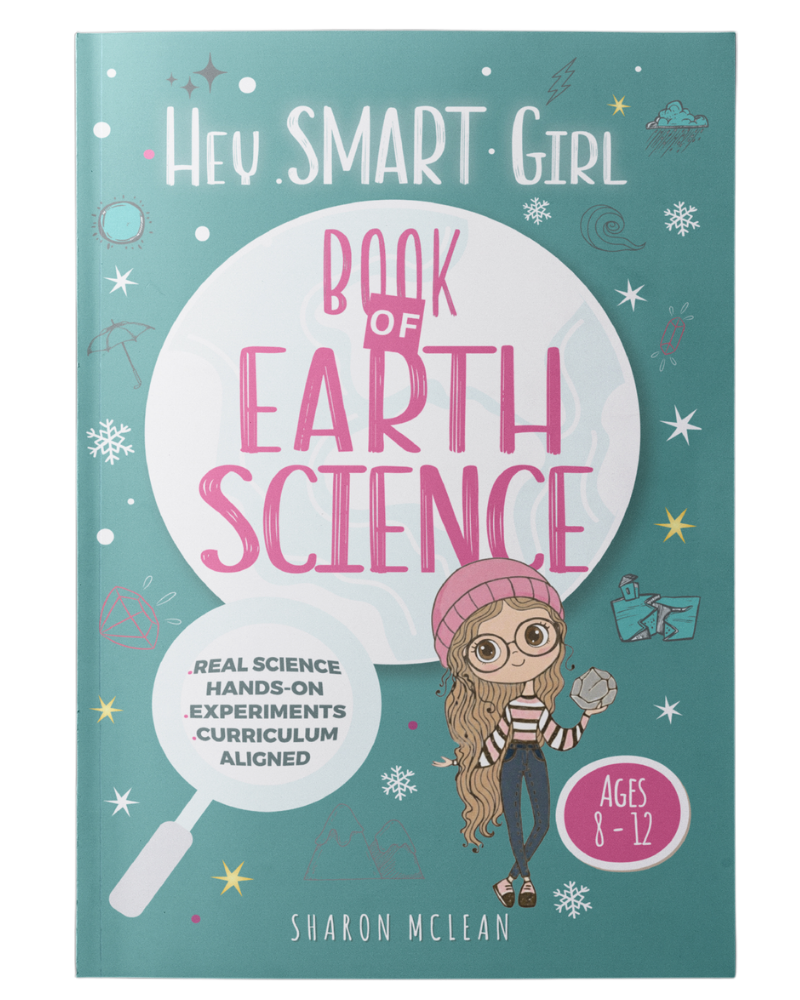
The Hey Smart Girl Book of Earth Science explores fossils, oceans, weather, earthquakes, climate, and the brilliant scientists who changed how we understand our planet.
Explore the Earth Science Book